Bots Won the Drop. Now What? Inside the Invisible Tech War Controlling Who Gets Limited Releases
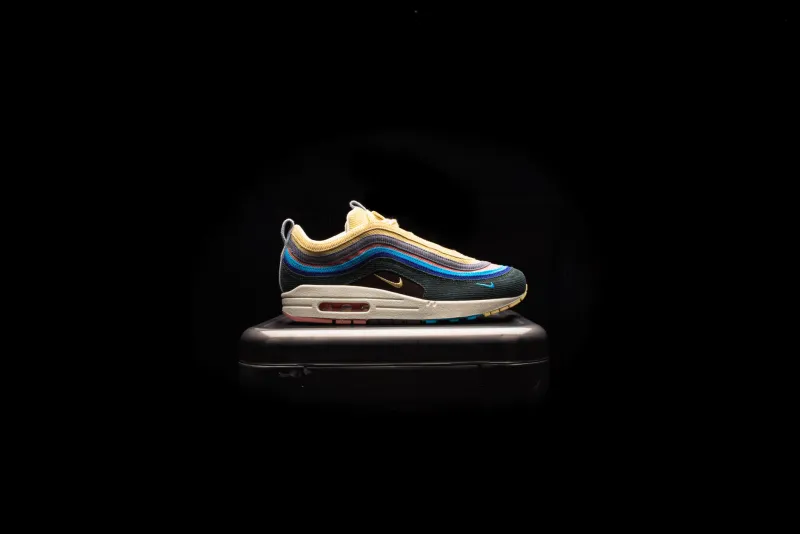
You set your alarm. You refreshed the page at exactly the right second. You had your payment info saved, your size pre-selected, your Wi-Fi router rebooted the night before like some kind of sneaker ritual. And still — sold out. In under a minute. Sometimes in under ten seconds.
Welcome to modern limited-release culture, where the checkout line isn't a line at all. It's a battlefield, and most of us showed up to a gunfight with a spoon.
The real players in this game aren't camping outside stores or refreshing browsers manually. They're running sophisticated software — bots, AI-assisted scripts, and automated purchasing tools that can simulate thousands of human buyers simultaneously, crack through queue systems, and complete transactions before most people have even loaded the product page. And the platforms selling these products? They're fighting back. Hard. The result is an invisible technological arms race that's quietly redefined what "fair access" even means anymore.
What a Bot Actually Does (It's More Than You Think)
The word "bot" gets thrown around loosely, but modern sneaker and collectible bots are genuinely sophisticated pieces of software. Entry-level tools handle the basics — auto-filling forms, bypassing simple queue systems, completing checkout at machine speed. But the premium stuff? That's a different animal entirely.
High-end bots now incorporate AI-driven CAPTCHA solving, browser fingerprint randomization, and residential proxy networks that make each automated purchase look like it's coming from a different home address across the country. Some tools use machine learning to adapt in real time to platform changes, essentially "learning" a site's checkout flow the way a human would — just infinitely faster and without the anxiety.
Then there's the task stacking. Serious resellers aren't running one bot instance. They're running hundreds, sometimes thousands of simultaneous checkout attempts across rotating accounts and proxy pools. A single person with the right setup can effectively simulate the purchasing power of a small city's worth of shoppers.
The economics back this up. A bot subscription that costs $300–$500 per month can return multiples of that on a single successful limited drop if the resale margins are right. On high-demand releases — think Travis Scott collabs, Supreme box logo drops, or limited PlayStation bundles — the math gets even more extreme.
The Platform Side: Detection, Defense, and Digital Whack-a-Mole
Nike, Adidas, Supreme, SNKRS, and a growing list of other platforms aren't sitting still. The anti-bot infrastructure these companies have built is genuinely impressive — and genuinely expensive.
Shopify-based retailers increasingly rely on third-party bot detection layers like Cloudflare, Kasada, or PerimeterX (now called HUMAN Security). These systems analyze hundreds of behavioral signals in real time — mouse movement patterns, keystroke timing, how long a user hovered over a product image — to determine whether a buyer is human or machine. Platforms like Nike's SNKRS app have gone further, using a lottery-style draw system that theoretically neutralizes speed advantages entirely.
But here's the thing: every countermeasure creates a new puzzle for bot developers to solve. When CAPTCHA got harder, bot makers integrated third-party CAPTCHA farms staffed by actual humans solving challenges in real time. When behavioral analysis got smarter, bots started mimicking human mouse movement with randomized delay patterns. When platforms shifted to randomized draws, bot operators started flooding entry pools with thousands of fake accounts to statistically improve their odds.
It's whack-a-mole at a million dollars a mallet. And the moles are getting faster.
The Bot Market Is Its Own Economy
What's easy to miss in all of this is that the bot itself has become a product — a hyped, limited-release commodity with its own resale market and community culture.
Top-tier bots like Kodai, Wrath, and Cybersole don't just get sold — they get copped. Licenses release in limited quantities, often sell out instantly, and routinely flip on secondary markets for two to five times retail price. There are Discord servers dedicated entirely to bot rentals, group buys, and cook groups (paid communities where members share real-time drop strategies and site-specific settings).
The irony is almost poetic: the tools built to game limited-release culture are themselves subject to the same artificial scarcity dynamics. The resale economy is eating its own tail.
Cook group memberships — which can run $50 to $500 per month — have become a legitimate business model in their own right. The best ones offer early links, monitor-bot alerts, proxy recommendations, and live Discord support during active drops. For serious resellers, it's less of a hobby and more of a subscription-based information service.
What This Means for Regular Buyers
Let's be honest about the uncomfortable part: if you're a regular consumer trying to buy a hyped product at retail for personal use, the current landscape is genuinely stacked against you.
The platforms know this. The brands know this. And many of them have conflicted feelings about it, because the frenzy around limited releases — the sellouts, the chaos, the resale prices — is also incredible marketing. A shoe that resells for three times retail is a shoe that generates headlines, social media content, and cultural cachet that no ad budget can fully replicate.
Some brands have made genuine attempts at equity. Nike's confirmed orders and SNKRS draws. Adidas's Confirmed app. StockX's IPO-style pricing model, which attempted to let market demand set the initial price and cut out bot-driven sellouts entirely. None of these solutions have been perfect, and each has created its own exploitable loopholes.
The most honest take? The system as currently constructed creates winners and losers — and the winners are disproportionately the people with the technical knowledge, financial resources, and time to invest in automation infrastructure.
Where This Is All Heading
The next frontier in this war is identity verification. Some platforms are experimenting with wallet-based authentication, purchase history gating, and even biometric verification to ensure buyers are who they claim to be. Web3 advocates have pitched NFT-based proof-of-purchase systems that could theoretically make bot-driven account farming obsolete.
AI is also being deployed on the defensive side more aggressively. Platforms are training models on historical bot behavior patterns to flag suspicious purchase clusters before they complete — essentially fighting machine learning with machine learning.
But here's the cold reality: as long as there's a financial incentive to automate, people will find ways to automate. The gap between a $120 retail price and a $400 resale price is a powerful motivator, and the bot market will keep evolving as long as that gap exists.
For everyday buyers, the practical advice is frustratingly simple: enter every lottery you can, use official apps over desktop when possible, build purchase history on platforms that reward it, and — maybe most importantly — decide honestly whether the hype is worth the stress.
Because sometimes the boldest move is knowing when the game isn't worth playing.