From Chat Rooms to Cash Flow: Inside the Booming Discord Server Economy
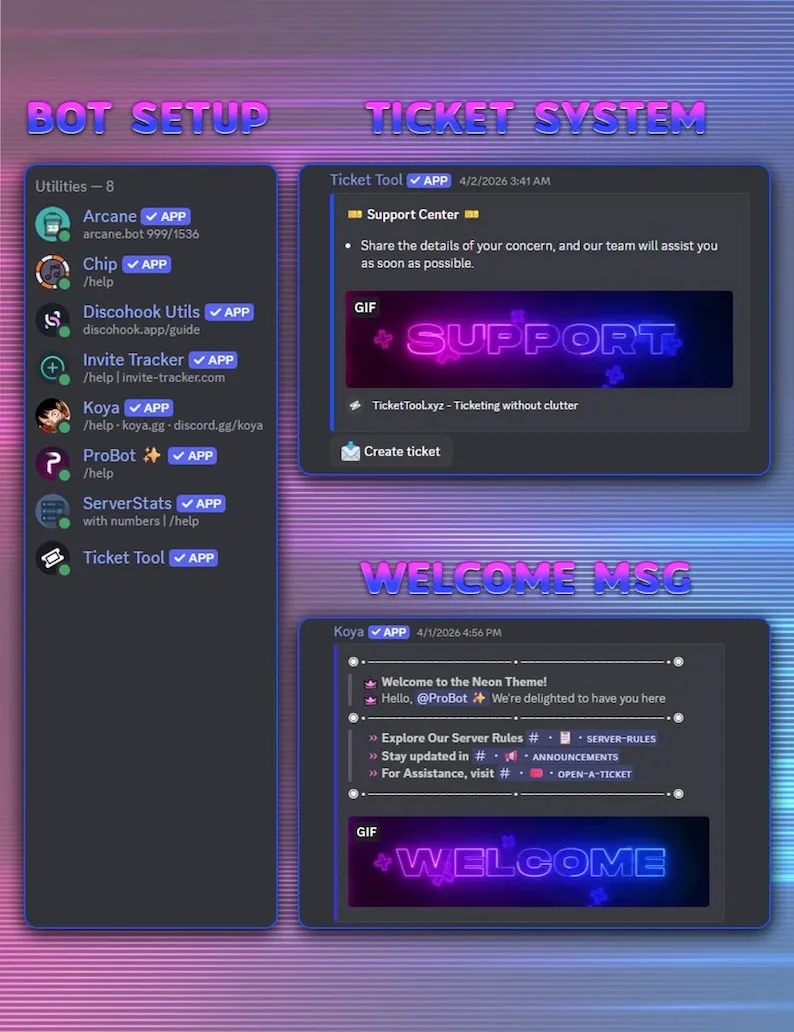
Photo: Discord gaming community server setup neon lights computer, via i.etsystatic.com
Not long ago, Discord was basically a fancier version of TeamSpeak — a voice chat tool for gamers who didn't want to pay for Ventrilo. Fast forward to today, and the platform hosts over 500 million registered accounts. More importantly, a growing slice of those accounts belong to people who are quietly making serious money. Not influencer money, necessarily. Not YouTube-ad-revenue money. Something different: community money.
This is the Discord economy, and it's more legitimate — and more lucrative — than most people realize.
The Shift Nobody Saw Coming
For years, the conventional wisdom was that Discord was a support platform. You built your audience on YouTube or Twitch, then funneled them into a Discord server to keep the community warm. The server itself was overhead, not income.
That mental model is now seriously outdated.
Savvy community builders figured out something crucial: the people inside a Discord server are already pre-qualified. They opted in. They sought out the community. They're not passive scroll-by viewers — they're engaged, loyal, and in many cases, willing to pay for deeper access. That's not a chat room. That's a customer base.
What the Revenue Actually Looks Like
Let's get specific, because vague talk about "monetization" doesn't help anyone.
The most common revenue streams inside profitable Discord servers break down into a few buckets:
Paid roles and tiered access. Think of it like a gym membership, but for information and community. A free tier gets you the public channels. Pay $10/month and you unlock the strategy channels, the exclusive voice rooms, the weekly Q&As. Some servers run three or four tiers, with top-tier memberships going for $50–$100/month.
Exclusive content drops. Trading card communities, sports betting tip servers, stock alert groups, gaming strategy hubs — these servers drop time-sensitive content that members genuinely value. A well-run stock alerts server with 2,000 paying members at $25/month is doing $50K in monthly revenue. That's not hypothetical. Servers like that exist right now.
Integrated storefronts and affiliate commerce. Discord bots have gotten sophisticated. Servers in the sneaker resale, collectibles, and gaming peripheral spaces have embedded shopping tools directly into their channels. When a bot drops a restock alert with a buy link, that link is often an affiliate link. The server owner earns on every purchase. Members don't mind — they're getting value.
Coaching and consulting upsells. Many server owners use Discord as the top of a funnel. The community is free or cheap. The one-on-one coaching, the courses, the private masterminds — that's where the real margin lives.
Real Numbers From Real Servers
Take the world of fantasy sports and daily fantasy contests. Several Discord servers in this niche have built subscriber bases of 3,000–8,000 paying members who shell out anywhere from $15 to $40 per month for lineup advice, injury alerts, and ownership percentage data. Run the math on the low end: 3,000 members at $15 is $45,000 a month. Before expenses, sure — but the overhead on a Discord server is shockingly low compared to a SaaS product or a media company.
In the gaming space, servers built around specific titles like Escape from Tarkov or Path of Exile have monetized through a combination of paid coaching sessions, exclusive wipe-day guides, and even in-game item trading coordination. One server owner in the survival game niche reportedly cleared over $80,000 in a single month during a major game update cycle, when demand for information spiked and their paid tier hit capacity.
The Psychology Behind Why Members Actually Pay
Here's what makes Discord monetization work when other platforms struggle: belonging.
People don't just pay for information. They pay to be part of something. A paid role in a Discord server isn't just access — it's identity. That little colored tag next to your username that says "Elite Member" or "OG" carries social weight inside the community. You're not just a subscriber; you're a recognized member of the inner circle.
This is fundamentally different from a newsletter paywall or a YouTube membership badge. Discord is social-first. The value compounds because the community itself becomes the product. The better the members, the better the conversations, the more valuable the server becomes — and the easier it is to justify the monthly fee.
What Separates a Dead Server From a Money Machine
For every Discord server printing cash, there are a thousand that peaked at 200 members and went quiet. The difference usually comes down to a few non-negotiable factors.
Consistent moderation. Dead servers have no rules, or rules nobody enforces. Profitable servers are curated. Spam gets nuked. Toxic members get banned. The community feels safe and high-quality because someone is actively maintaining it.
A clear value proposition. "Gaming community" is not a value proposition. "The best resource for competitive Valorant players who want to rank up fast" is. Profitable servers are specific about who they're for and what members get.
Regular programming. Think of it like a TV schedule. Weekly AMAs, daily content drops, monthly tournaments — structure gives members a reason to keep showing up. And members who keep showing up keep paying.
The right tools. Bots like MEE6, Combot, and especially purpose-built monetization tools like Whop (which has become a go-to platform for Discord-based businesses) make the operational side manageable. Whop in particular has turned Discord monetization into something close to plug-and-play, handling payments, role assignment, and access control automatically.
Is This Sustainable?
Skeptics will point out that Discord hasn't historically been aggressive about taking a cut of server revenue — but that's changing. The platform has been rolling out its own monetization features, and it's reasonable to expect more platform-level involvement (and fees) as the economy matures.
The smarter server owners are already thinking about this. They're building email lists from their Discord members. They're diversifying onto Patreon or their own websites. They're treating Discord as one node in a larger ecosystem, not the whole operation.
That's the move. The Discord economy is real, it's growing, and the people who treat it like a business — rather than a hobby with a tip jar — are the ones walking away with the serious money.
Bold strategy. Tight community. Zero wasted potential. Sound familiar?