Fake Fame, Real Losses: The Influencer Fraud Playbook Draining Brand Budgets Dry
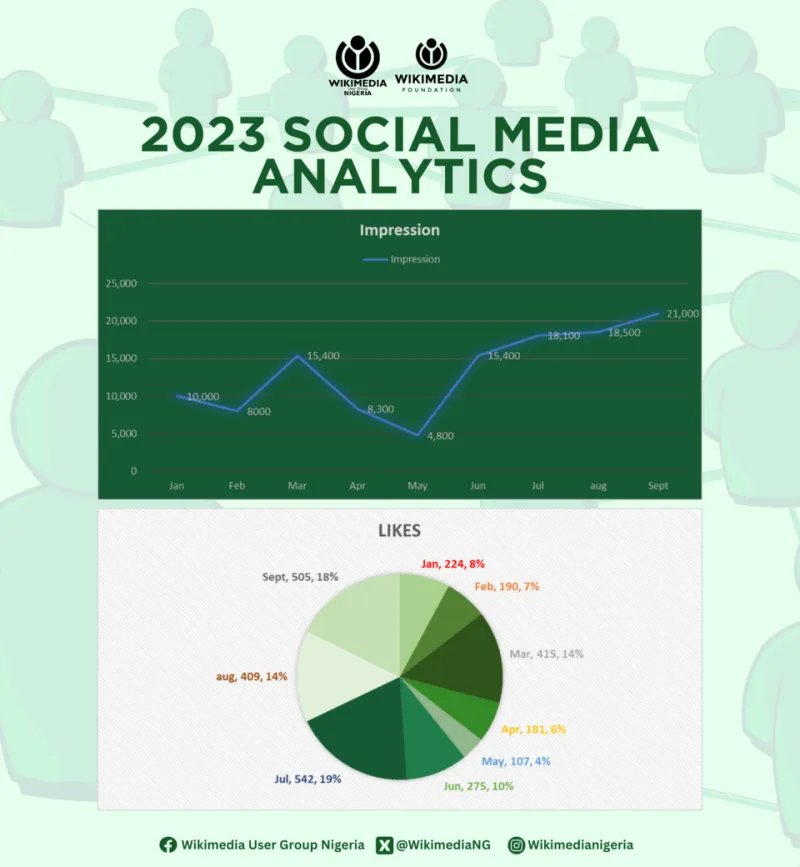
Photo: Olaniyan Olushola, CC BY-SA 4.0, via Wikimedia Commons
Imagine paying $50,000 for a sponsored post that reaches exactly zero real people. No clicks, no conversions, no actual human eyeballs — just a very convincing wall of ghost accounts giving you the digital equivalent of applause in an empty theater. Sound absurd? It happens every single day, across every major platform, to brands that should absolutely know better.
Influencer fraud isn't some niche problem tucked away in the corners of the internet. According to estimates from cybersecurity firm CHEQ, ad fraud tied to influencer marketing costs the industry upward of $1.5 billion annually in the US alone. And that number is almost certainly conservative, because a huge chunk of fraudulent activity never gets detected at all.
This is the story of how the fake follower industry works, who's getting burned, and — most importantly — how you can protect yourself before you cut a single check.
Inside the Fake Follower Economy
The infrastructure for manufacturing social media clout is disturbingly sophisticated. It's not just some guy in a basement clicking "follow" a thousand times. We're talking about organized networks of bot farms, click farms staffed by real humans in lower-wage countries, and "engagement pods" — private groups where creators agree to artificially inflate each other's metrics through coordinated likes, comments, and shares.
You can buy 10,000 Instagram followers for less than $15 on dozens of websites. Engagement packages — pre-packaged bundles of likes, comments, and saves — run about the same. The comments generated by these services have gotten scarily convincing. Early bot comments were easy to spot ("Nice post! 🔥🔥🔥"), but modern AI-assisted engagement farms can generate contextually relevant replies that pass a casual glance.
The creators buying these services aren't always doing it out of pure greed, either. There's a brutal catch-22 built into the influencer economy: platforms and brands alike use follower count as a gating mechanism for deals and organic reach. Smaller creators, desperate to break through the algorithmic ceiling, sometimes see follower buying as paying a cover charge to get into the room. That doesn't make it less fraudulent — but it does explain why the problem persists.
The Scandals That Shook the Industry
The most infamous case study remains the Fyre Festival disaster, which exposed just how hollow influencer metrics could be when the incentives are misaligned. Hundreds of influencers — some with genuinely massive followings, others with heavily inflated ones — promoted a luxury music festival that turned out to be a catastrophic fraud. Attendees showed up to disaster-relief tents and cheese sandwiches. The influencers? Most got paid and walked away clean.
More recently, the beauty and lifestyle space has seen a string of exposés where mega-influencers with millions of followers were caught moving almost no actual product for brand partners. One widely-circulated case involved a fashion influencer with 2.6 million Instagram followers who reportedly couldn't sell 36 T-shirts to her audience — a conversion rate so dismal it suggested the vast majority of her following wasn't real or wasn't engaged.
These aren't isolated incidents. They're symptoms of a systemic problem baked into how social media metrics are designed and how the influencer industry built its value proposition.
The Red Flags Every Brand (and Fan) Should Know
Here's the practical part. Whether you're a brand evaluating a potential partnership or just a curious consumer wondering whether that lifestyle account you've been following is the real deal, these are the tells that separate authentic influence from manufactured clout.
Follower-to-engagement ratio that doesn't add up. A legitimate creator with 500,000 followers should be generating thousands of likes and a healthy comment section per post. If someone has 400K followers and averages 80 likes per photo, something is deeply wrong. Industry benchmarks suggest engagement rates for mid-size creators should sit somewhere between 1-5%. Anything dramatically below that warrants scrutiny.
Sudden, dramatic follower spikes. Tools like Social Blade let you chart any public account's follower growth over time. Organic growth looks like a gradual upward curve with natural fluctuations. Bought growth looks like a vertical line — thousands or tens of thousands of followers appearing overnight with no corresponding viral moment to explain it.
Comment sections full of generics. Scroll the comments on a few posts. If you see a parade of fire emojis, "Love this!" and "Great content" with no specificity to the actual post, those comments were almost certainly generated or coordinated. Real engaged audiences ask questions, share opinions, and reference specific details from the content.
Follower geography that doesn't match the audience. A US-based lifestyle influencer whose audience is mysteriously 60% based in Brazil or Indonesia is a major red flag. Follower farms disproportionately operate in certain regions, and the geographic breakdown of an audience is one of the hardest metrics to fake convincingly.
The Tools That Can Do the Heavy Lifting
You don't have to eyeball this stuff manually. A solid ecosystem of verification tools has emerged specifically to combat influencer fraud, and many of them are accessible without a massive enterprise budget.
HypeAuditor is arguably the gold standard for influencer auditing. It uses AI to analyze audience quality, detect suspicious growth patterns, and generate authenticity scores for individual accounts across Instagram, YouTube, TikTok, and Twitter/X.
Modash and Upfluence both offer audience quality analysis as part of their influencer discovery platforms, useful for brands running campaigns at scale.
Social Blade remains a solid free option for basic follower growth tracking on YouTube and Instagram, even if it's less sophisticated than the paid alternatives.
For brands serious about protecting their spend, requiring a media kit with verified third-party analytics — not just screenshots an influencer provides themselves — should be non-negotiable before any deal gets signed.
What Authentic Influence Actually Looks Like
Here's the flip side of all this fraud talk: genuine influence is incredibly powerful and absolutely worth paying for when you find it. The creators who have built real, trust-based communities — even with smaller follower counts — consistently outperform inflated mega-influencers on every metric that actually matters: click-throughs, conversions, and brand recall.
The micro-influencer space (typically 10,000 to 100,000 followers) has become the sweet spot for smart brands precisely because authenticity tends to be higher and fraud tends to be lower at that scale. A fitness creator with 40,000 deeply engaged followers who trust her recommendations will almost always outperform a celebrity account with 4 million followers and a disengaged, bot-padded audience.
The influencer economy isn't broken — but it does require you to be a smarter consumer of it. Do the due diligence, use the tools available, and don't let a big follower number substitute for actual evidence of real human engagement. The brands winning in this space aren't the ones spending the most — they're the ones spending the smartest.