Niche Down, Cash Up: The Print-on-Demand Playbook Turning Fandoms Into Six-Figure Side Empires

Somewhere right now, a guy in a studio apartment in Austin is pulling in $15,000 a month selling T-shirts to competitive bass fishermen. He has never touched a single shirt. He doesn't own a printer. He doesn't even have a storage unit. What he does have is an obsessive understanding of one very specific community — and a print-on-demand operation that runs almost entirely on autopilot.
This is the quiet gold rush that most people keep sleeping on. While the internet argues about whether dropshipping is dead or affiliate marketing is oversaturated, a growing wave of creators and entrepreneurs are building real, recurring revenue by doing one thing better than everyone else: going narrow.
Why Niche Is the New Mass Market
The era of slapping a generic motivational quote on a hoodie and calling it a brand is pretty much over. That market is clogged. What's actually working right now is hyper-specific product lines built for communities that already exist and already spend money.
Think anime fans who stan one particular arc of one particular show. Think powerlifters who identify more with their training philosophy than with any mainstream fitness brand. Think political hobbyists, retro gaming collectors, true crime podcast listeners, hot sauce enthusiasts — the list is genuinely endless. These are people with identity-driven purchasing habits, and they will open their wallets fast for something that feels made specifically for them.
The data backs this up. According to industry trackers, the global print-on-demand market is on pace to surpass $48 billion by 2032. That's not a niche opportunity — that's a structural shift in how merchandise gets made and sold.
The Tech Stack That Actually Powers This
Here's where a lot of beginners get confused. Print-on-demand sounds simple — design something, post it, get paid — but the difference between a $200/month hobby and a $20,000/month operation usually comes down to how the backend is set up.
The most common and battle-tested stack looks something like this:
Storefront: Shopify remains the gold standard for serious POD sellers who want control and scalability. Etsy is still a legitimate starting point for organic traffic, especially in crafty or fandom-adjacent niches. Some operators run both simultaneously.
Fulfillment Partner: Printful and Printify are the two dominant players. Printful handles fulfillment in-house and has strong quality consistency. Printify operates on a network model with more supplier options, which means more flexibility on pricing — important when you're trying to protect margins.
Design Tools: Canva handles a surprising amount of what mid-level POD sellers need. Adobe Illustrator is the move if you're doing intricate vector work. Some sellers outsource design entirely to freelancers on Fiverr or 99designs, which is worth the investment if your own design skills are limited.
Marketing Layer: This is where TikTok, Pinterest, and Reddit come in hard. Pinterest is criminally underused by POD sellers — it's essentially a visual search engine with long content shelf life, and it drives consistent organic traffic to product listings. Reddit is where you find your niche communities and learn exactly what language they use, what they love, what they hate.
The Real Margin Math
Let's talk numbers, because the fantasy version of POD margins is a lot prettier than reality.
A standard unisex T-shirt through Printify might cost you $9–$12 to produce and ship. If you're selling it at $28–$32, you're clearing somewhere between $16 and $20 per unit before ad spend. That's a solid margin — but only if you're not burning it all on paid ads.
The sellers who actually hit six figures aren't doing it by running expensive Meta campaigns on cold audiences. They're building organic community pipelines. A TikTok account dedicated to a specific fandom. A Pinterest board that ranks for niche search terms. A Reddit presence (done carefully and non-spammily) that builds real trust. An email list that converts at 3–5% because the subscribers are genuinely invested in the brand.
Once that organic engine is humming, paid ads become an amplifier rather than a lifeline. That's a very different — and much more profitable — position to be in.
The Saturation Traps That Kill Most Attempts
For every success story, there are dozens of abandoned Shopify stores collecting digital dust. The mistakes are usually the same.
Going too broad too fast. The temptation to expand into ten different niches simultaneously is real, but it almost always kills momentum. The stores that win pick one lane, dominate it, and then — only then — expand.
Ignoring copyright and trademark law. This one is genuinely dangerous. Using characters, logos, or phrases from established IP without licensing is how you get DMCA takedowns, account bans, and in bad cases, legal threats. Fan art exists in a gray area that's constantly shifting. If you're not sure, consult a lawyer or stick to original designs.
Underpricing to compete. New sellers often slash prices to move units, which tanks perceived value and destroys margins. Niche communities will pay premium prices for products that genuinely resonate with their identity. Price accordingly.
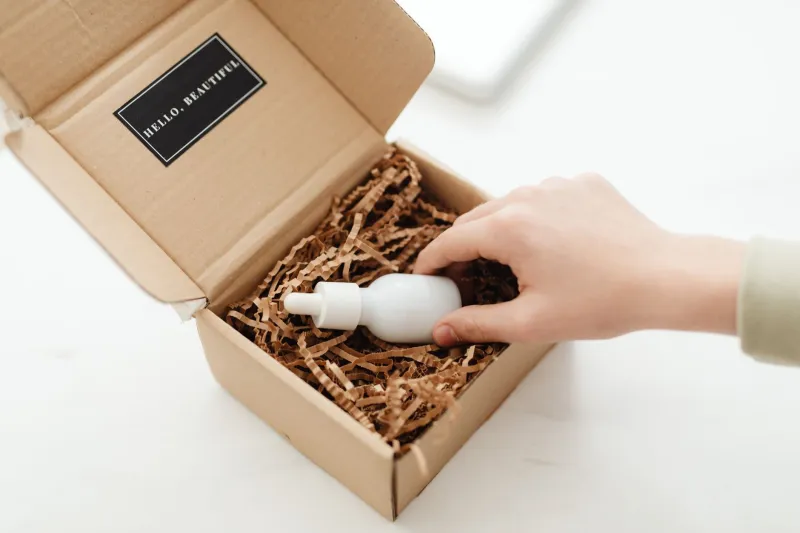
Neglecting product quality checks. Your fulfillment partner is representing your brand. Order samples. Check print quality, sizing consistency, and packaging before you start scaling. One wave of bad reviews in a tight-knit community can permanently damage your reputation.
Building the Brand, Not Just the Store
The operators making real money in POD aren't just running product listings — they're building brands that communities feel attached to. That's a meaningful distinction.
This means having a visual identity that's consistent across your store, your social profiles, and your packaging. It means engaging with your audience like a human being rather than a faceless shop. It means dropping limited-edition runs that create urgency and reward loyal customers. It means treating your email list like an asset, not an afterthought.
Some of the most successful POD brands right now look and feel like creator-led businesses — because they are. The founder is visible, the story is real, and the community feels like they're buying from someone who genuinely gets them. That emotional connection is what turns a one-time buyer into a repeat customer.
The Bottom Line
Print-on-demand isn't a get-rich-quick scheme. It never was. But for creators and entrepreneurs willing to do the unglamorous work — deep niche research, consistent content, quality control, community building — it's one of the most accessible paths to building a real, scalable income stream without ever touching a piece of inventory.
The gold rush is real. The question is whether you're going to show up with a plan or just another generic hoodie.