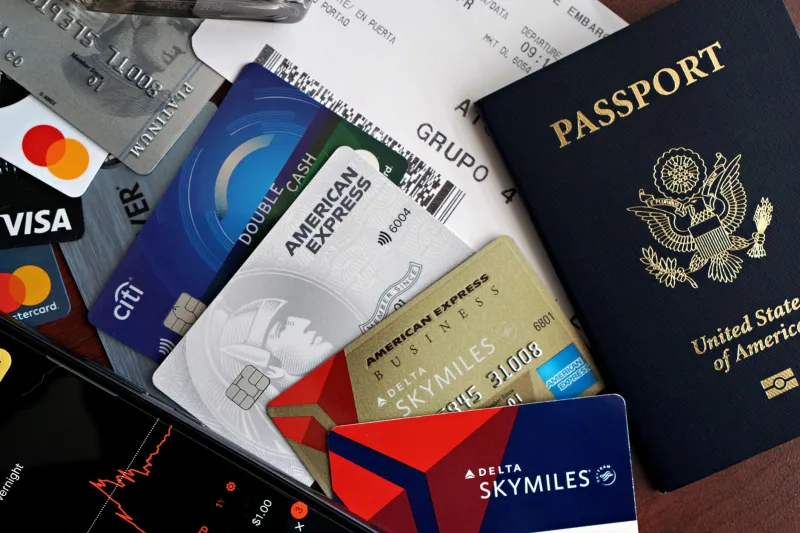
Bank Bonuses, Airline Betrayals, and the Underground Art of Maxing Out Every Swipe
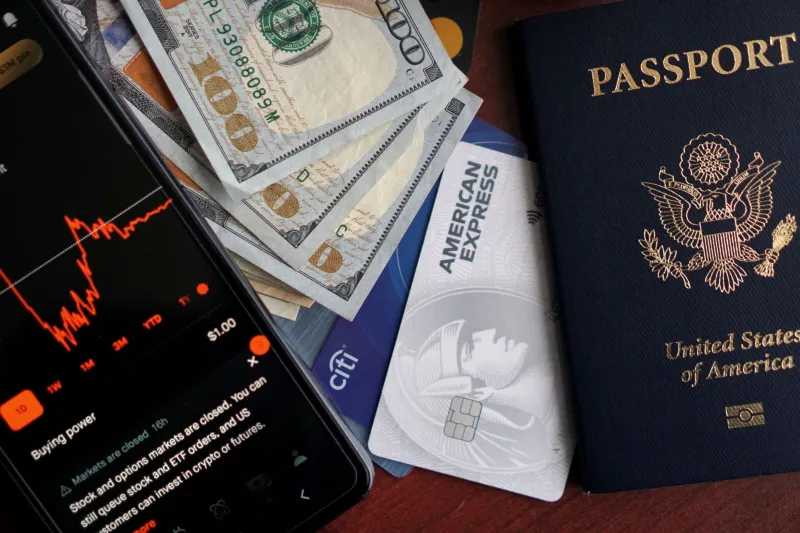
Somewhere in a Reddit thread you've probably never visited, a guy named Dave is casually describing how he flew business class to Tokyo for $47 in taxes. His wife flew free. They stayed at a Hyatt for nothing. And the whole trip was essentially funded by a Chase welcome bonus, a Citi transfer, and a grocery store receipt.
Dave isn't a millionaire. He's a mid-level project manager from Ohio who figured out that the financial system is full of cracks — and that credit card rewards, when stacked aggressively, are basically a legal money printer with a spending requirement attached.
Welcome to the world of credit card churning. It's not new. But it's getting more sophisticated, more contentious, and way more interesting.
The Mechanics of the Machine
Here's the basic framework most people already know: banks offer sign-up bonuses to attract new customers. Spend $4,000 in three months, get 80,000 points. Simple enough. But churners don't stop there — not even close.
The real leverage comes from layering. You've got category bonuses (some cards give 5x on dining, others 3x on travel), rotating quarterly offers, shopping portal multipliers, and the crown jewel of the whole ecosystem: transfer partners. That's where 80,000 Chase Ultimate Rewards points stop being worth $800 in cash back and start being worth a $3,000 business class flight to Europe.
Transfer partners are the cheat code. Chase, Amex, Citi, and Capital One all maintain relationships with airlines and hotels that let you move points between programs — often at a 1:1 ratio. The magic is in the redemption asymmetry. Points transferred to Air France's Flying Blue program, for example, can book Delta flights at rates that would be laughable if you were paying cash.
Savvy churners map out entire travel itineraries before they even apply for a card. They already know where the points are going before the welcome bonus hits.
Manufactured Spending: The Dark Art Nobody Admits To
Here's where it gets spicy. A segment of the churning community has moved beyond just optimizing real spending. They've discovered ways to manufacture it.
The classic method involved buying Visa gift cards with a rewards credit card, then converting those to money orders, depositing them, and paying off the card — effectively cycling fake spend through the system to trigger bonuses without actually spending money. Banks caught on. Gift card limits got imposed. Money order policies changed.
But the cat-and-mouse game never ends. New methods emerge. Certain payment apps, business account workarounds, and third-party services keep popping up. The churning forums document and then quietly retire each method as it gets patched. It's a living, breathing adversarial ecosystem.
And the banks? They're not naive. Chase's infamous "5/24 rule" — which auto-denies applicants who've opened five or more cards in 24 months — was a direct response to serial churners. American Express now limits welcome bonuses to once per card per lifetime. Citi has its own velocity restrictions. Every restriction introduced is a new puzzle for the community to solve.
Airlines Are Rewriting the Contract Midgame
If you think the banks are the main villain in this story, you haven't been watching the airlines.
For years, frequent flyer programs operated on a relatively transparent point-per-mile model. Fly a lot, earn a lot, redeem at predictable rates. Then the airlines discovered something terrifying: people were getting too much value out of their programs.
The devaluations started slowly. Award charts disappeared — Delta led the charge by eliminating its award chart entirely, shifting to a dynamic pricing model that lets them charge whatever they want in points based on demand. United and American followed similar paths. Suddenly, that business class redemption that used to cost 70,000 miles costs 110,000. Or 140,000. Or whatever the algorithm decides on a Tuesday.
Hotel programs have done the same. Marriott's merger with Starwood was supposed to be a loyalty windfall. Instead, category creep inflated redemption costs across the board. Hilton Honors devalued so quietly that most members didn't notice until their points were worth about half what they expected.
The churning community calls this the "points devaluation tax" — and it's the single biggest risk in the whole game. You can earn points today that are worth meaningfully less by the time you try to use them.
The Tax Problem Nobody Wants to Talk About
Here's the part most reward guides skip entirely: the IRS has opinions about your points.
For the most part, credit card rewards earned through spending aren't taxable. The IRS treats them as a rebate on purchases, not income. Fine. But manufactured spending and certain referral bonuses exist in grayer territory. And if you're earning rewards through a business card and deducting the expenses used to hit spending requirements? That's where a CPA starts earning their fee.
Bank account bonuses — the $300 you get for opening a checking account — are definitively taxable income. Banks issue 1099s. People miss these all the time and get surprised come April. The churning community knows this, but plenty of casual participants don't.
The more aggressive your strategy, the more important it is to understand what you're actually earning versus what you'll owe.
Is It Still Worth It in 2024?
Honestly? Yes — but the margin has compressed.
The golden age of churning, roughly 2012 to 2018, was almost absurdly lucrative. Programs were generous, restrictions were minimal, and a determined optimizer could pull $10,000–$15,000 in annual value without breaking a sweat. That era is over.
What remains is still genuinely valuable, but it requires more discipline and more research. The travelers and earners who are still crushing it share a few common traits: they're organized (spreadsheets tracking every card, every bonus, every annual fee), they're patient (not chasing every shiny new offer), and they're strategic about which transfer partners actually deliver outsized value.
The Capital One Venture X, for instance, has quietly become a community favorite because its transfer partners include Turkish Airlines Miles&Smiles — a program with some of the most undervalued business class redemptions on the planet, including United-operated flights at rates that make no logical sense in the best possible way.
The Real Bottom Line
Credit card churning is, at its core, a system arbitrage play. Banks want your long-term business. They pay upfront to acquire you. Churners take the upfront payment and keep moving. It's not illegal. It's not even particularly unethical in the way the industry frames it. It's just... optimized consumer behavior at a level most people never bother to reach.
The banks will keep tightening. The airlines will keep devaluing. And the community will keep adapting, documenting, and finding the next angle.
If you want in, start simple: one card with a strong welcome bonus, a clear redemption goal, and the discipline to pay the balance every month. The complexity can come later. The first free flight is usually enough to make you want to understand the whole machine.
Dave from Ohio figured it out. Tokyo was just the beginning.