Return Season Never Ends for These Shoppers — Here's How They're Cashing In

Most people think of a return policy as a safety net — something you fall back on when your Amazon haul disappoints or your new blender dies after three smoothies. But a surprisingly savvy slice of American shoppers has figured out something retailers really don't want you to know: generous return windows aren't just consumer protection. In the right hands, they're a cash-stacking machine.
Welcome to refund arbitrage — the art of legally leveraging return policies, price-match guarantees, and seasonal refund loopholes to put real money back in your pocket. It's not fraud. It's not a scam. But it is walking a line that retailers are quietly, aggressively, trying to erase.
And if you're not already paying attention, the window to play this game is closing faster than a flash sale.
What Refund Arbitrage Actually Looks Like
Let's be clear about one thing upfront: this isn't about lying to customer service or faking damaged goods. That's return fraud, and it's both illegal and genuinely harmful. What we're talking about is something different — using the published policies of major retailers to your full, documented advantage.
Here's a basic example. You buy a 65-inch TV from Best Buy at its regular price. Two weeks later, it goes on sale for $200 less. Best Buy has a 15-day price match guarantee. You call, you get the difference credited. That's not gaming anything — that's literally the policy working as written.
But savvy shoppers don't stop there. They track price fluctuations in real time using tools like Honey, CamelCamelCamel (for Amazon), or even dedicated browser extensions that alert you the moment a price drops post-purchase. The refund request gets filed before most people even notice the sale happened.
Now multiply that across five or six purchases per month, and you're talking about a few hundred dollars in effortless savings — or outright refunds — every single month.
The Retailers With the Loosest Policies (For Now)
Not all stores are equally exploitable. A few have historically been extremely generous in ways that are starting to draw scrutiny.
Costco remains the gold standard for return flexibility. With no stated time limit on most items (electronics being a partial exception at 90 days), members have returned products years after purchase. The policy is real, it's written, and it's been used to return everything from mattresses to laptops to jewelry.
Amazon offers a 30-day standard return window, but third-party sellers and Prime perks have created interesting gray zones. Returnless refunds — where Amazon tells you to just keep the item and still issues a full refund — are more common than most shoppers realize, particularly on lower-cost items where return shipping costs more than the product itself.
Target's price-match policy covers not just their own sales but competitor prices at stores like Walmart, Amazon, and others. You have up to 14 days after purchase to request a match. That's two full weeks to watch for a drop and file the request.
Walmart and Home Depot have similarly generous windows on select categories, and Home Depot's 90-day return policy on most items (with a full year on plants and certain tools for Pro members) has become legendary in DIY communities.
The key is knowing the specific rules before you buy — not after.
The Seasonal Angle Most People Miss
Here's where it gets genuinely interesting. The holiday shopping window creates a temporary policy expansion that most consumers don't think to exploit strategically.
Many major retailers extend their return windows significantly during Q4. A purchase made in early November might be returnable all the way through January or even February. That's not an accident — it's designed to encourage gift-buying confidence. But it also means you can purchase items, use them through the holiday season, and return them within the extended window if you decide they're not worth keeping.
This isn't new. What is new is the level of organization around it. Online communities — Reddit's r/frugal and r/deals subreddits, various Discord servers, and deal-aggregator newsletters — now share real-time policy intel, flag upcoming return deadline dates, and even crowdsource which customer service reps are more likely to approve borderline requests.
It's a whole ecosystem built around making sure nobody leaves money on the table.
The Line Between Smart and Sketchy
Okay, let's talk about where this gets murky — because it does.
Buying an item with the intention of returning it after use (what the industry calls "wardrobing" or "bracketing") is technically within policy at stores that allow open-box returns. But it's also the behavior that's driving retailers to crack down. If you buy a dress for a wedding and return it Monday, you haven't broken any rules — but you have contributed to the rising cost of return processing that gets baked into prices for everyone.
Refund arbitrage practitioners who are serious about staying on the right side of the line follow a few personal rules: they only return items they genuinely aren't keeping, they don't misrepresent condition, and they document everything. Screenshots, order confirmations, price-match evidence — the paper trail is your protection if anything gets flagged.
Retailers are increasingly using third-party return-tracking services like The Retail Equation to flag "high-return" customers. If your account gets flagged, you might find yourself banned from making returns at certain chains — even without committing actual fraud.
Why the Window Is Closing
Retailers lost an estimated $743 billion in merchandise returns in 2023 alone, according to the National Retail Federation. That's not a typo. The industry is hemorrhaging money on reverse logistics, restocking, and outright unsellable returned goods.
The response has been predictable. Restocking fees are quietly appearing at more retailers. Return windows are shrinking. Price-match windows are tightening from 30 days to 15 to 7. Some stores now require photo evidence or original packaging. Others are piloting AI-driven return screening that flags suspicious patterns before a refund is even processed.
Amazon has already started charging return fees for certain drop-off locations. Best Buy added a restocking fee on opened electronics in some categories. The era of frictionless, no-questions-asked returns is ending — not dramatically, but steadily.
For anyone who's been thinking about paying closer attention to their purchase history and policy windows, the time is genuinely now.
How to Start Playing Smarter
You don't need to go full deal-hunter to benefit from this. A few simple habits will get you most of the way there:
- Set a calendar reminder for the return deadline on every major purchase.
- Install a price-tracking extension like Honey or Capital One Shopping so you're automatically alerted to post-purchase price drops.
- Screenshot your order confirmation and the return policy page at time of purchase — policies change, and documentation matters.
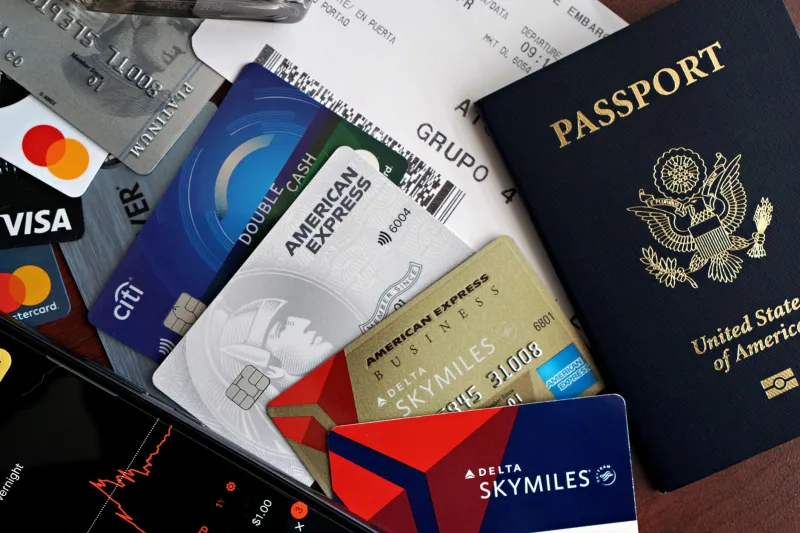
- Know your credit card's purchase protection. Many cards extend return windows or offer price protection independently of the retailer.
- Check the NRF's annual return policy roundup or deal communities for updated intel on which stores have loosened or tightened their terms.
None of this is complicated. It just requires treating your purchases the way deal professionals do — as transactions with ongoing leverage, not one-time events.
The Bottom Line
Refund arbitrage isn't a loophole in the criminal sense — it's a feature of competitive retail that most consumers never bother to use. The stores built these policies to earn your business, and using them fully is entirely your right.
But the landscape is shifting. Every month, another retailer quietly updates its terms, adds a fee, or shortens a window. The shoppers who've been stacking these advantages for years are already adapting — and the ones just learning the game are entering at the tail end of its most generous era.
Use it smart. Use it now. And definitely use it before the fine print catches up.