Side Hustle, Meet Uncle Sam: How the IRS Is Quietly Closing In on Resellers
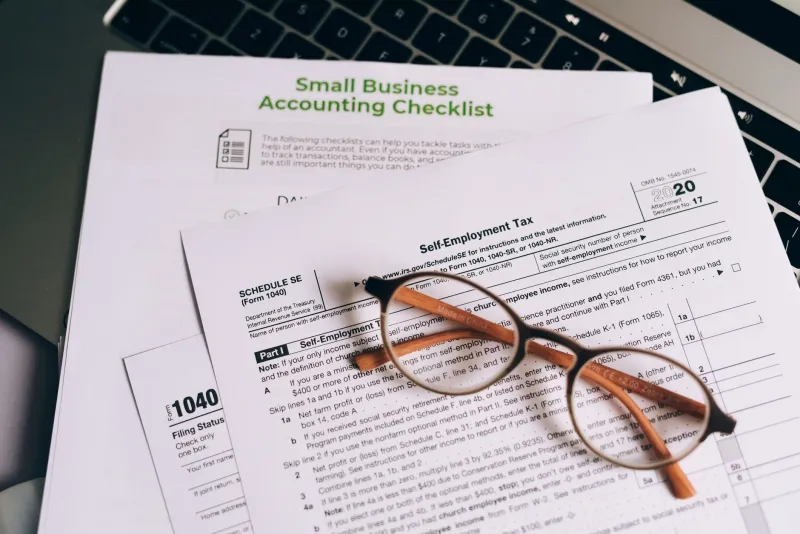
Let's be honest — a lot of people built their reselling operation on a pretty comfortable assumption: if the money wasn't hitting a W-2, it basically didn't exist to the IRS. Garage sale flips, sneaker resales, vintage clothing hauls, collectible card liquidations — all of it felt like operating in a gray zone where enforcement was someone else's problem.
That era is wrapping up fast.
The IRS has been quietly tightening the screws on secondary market income for the past few years, and 2024 and beyond are shaping up to be the years where a lot of casual resellers get their first very unpleasant surprise. Whether you're moving $3,000 worth of retro Jordans a month or flipping PlayStation consoles between drops, here's what you actually need to know.
The 1099-K Rule Change That Changed Everything
Here's where things got real for the reselling community. Under the old rules, payment platforms like PayPal, Venmo, eBay, and Etsy only had to issue a 1099-K if you crossed $20,000 in transactions AND 200 separate payments in a calendar year. That threshold kept a huge chunk of side hustlers completely invisible on paper.
The American Rescue Plan Act changed that threshold to just $600 — a seismic shift. While the IRS has delayed full implementation a couple of times to give platforms and taxpayers time to adjust, the direction is crystal clear: they're coming for the long tail of small sellers. Even if you're only occasionally flipping items, platforms are now building the infrastructure to report your earnings directly to the feds.
Every sale you make on eBay, Poshmark, Mercari, Facebook Marketplace (for business transactions), or StockX is a data point. And those platforms aren't on your side when the government asks questions.
What Actually Triggers an Audit for Resellers
Not every reseller is going to get a knock on the door — but some behaviors are basically waving a red flag at a bull. Here's what draws attention:
Unreported 1099-K income. If a platform files a 1099-K under your Social Security number and you don't report that income on your return, the IRS system flags it automatically. This isn't even a human decision at first — it's algorithmic, and it's accurate.
Large cash transactions without documentation. If you're buying inventory at flea markets or estate sales with cash and flipping it for profit, and you have no receipts to show what you paid, your "cost basis" becomes nearly impossible to prove. That means the IRS can tax you on the full sale price rather than just your profit.
Inconsistent reporting over multiple years. One good year and one bad year look normal. But if your reported income swings wildly while your lifestyle stays steady — new car, vacations, gear upgrades — that inconsistency can invite scrutiny.
Operating at a "loss" for too many years. Some resellers try to use their hustle to write off personal expenses. The IRS has a hobby loss rule: if your activity doesn't show a profit in at least 3 of 5 consecutive years, they may reclassify it as a hobby — and suddenly all those deductions disappear.
The Legitimacy Playbook: How Smart Resellers Stay Clean
Here's the thing — none of this means you have to stop grinding. It means you have to grind smarter. Treating your reselling operation like a real business isn't just about avoiding the IRS; it actually creates more opportunities to keep more of what you earn.
Get an EIN and open a dedicated business account. Separating your hustle finances from your personal accounts is step one. It makes bookkeeping cleaner, looks more legitimate if you're ever reviewed, and is just good practice. An EIN (Employer Identification Number) is free to get from the IRS and takes about five minutes online.
Track every single purchase as inventory cost. Every item you buy to resell has a cost basis. That's the price you paid, plus any fees, shipping, or prep costs. When you sell it, you're only taxed on the profit, not the full sale price. But you have to be able to prove what you paid. Save receipts, screenshot PayPal confirmations, keep a spreadsheet — whatever works for you.
Deduct legitimate business expenses. Shipping supplies, storage space, a portion of your home office, platform fees, mileage to thrift stores or post offices — these are real deductions that reduce your taxable income. A lot of resellers leave serious money on the table by not tracking these.
Use accounting software built for this. Tools like QuickBooks Self-Employed, Wave, or even a well-structured Google Sheet can automate a lot of the tracking pain. Some platforms like eBay even have built-in seller reports you can export directly.
Work with a tax pro who actually understands e-commerce. Not all CPAs are created equal. Find someone who has experience with gig economy workers, resellers, or online sellers. They'll know about Schedule C, self-employment tax, quarterly estimated payments — the stuff that trips up a lot of first-time filers.
Quarterly Taxes: The Surprise That Hits Hard
One thing that blindsides a ton of new resellers is the self-employment tax situation. When you work a regular job, your employer withholds taxes automatically. When you're your own boss — even part-time — you're responsible for paying estimated taxes four times a year.
Miss those quarterly payments and you're not just looking at a big bill in April. You're looking at penalties and interest on top of it. The IRS isn't shy about that math.
A simple rule of thumb: set aside 25-30% of every net profit you make and keep it in a separate savings account. Don't touch it. When quarterly deadlines hit — April, June, September, January — you'll be glad you did.
The Bottom Line for Hustle Culture
Look, the resale game is still very much alive and profitable. People are still making serious money flipping sneakers, trading cards, vintage apparel, electronics, and everything in between. The IRS crackdown isn't designed to kill the hustle — it's designed to make sure you're paying your cut like everyone else.
The resellers who are going to get hurt are the ones who ignored the shift and kept operating like it was 2018. The ones who are going to thrive are the ones who get their books right, document their costs, and treat their side hustle like the real business it actually is.
Bold deals and big entertainment don't mean much if you're handing a chunk of it back in penalties and back taxes. Get ahead of this now, and your reselling operation doesn't just survive the IRS — it levels up because of it.