The Affiliate Hustle Hidden in Plain Sight: What YouTubers Aren't Telling You About Their Recommendations
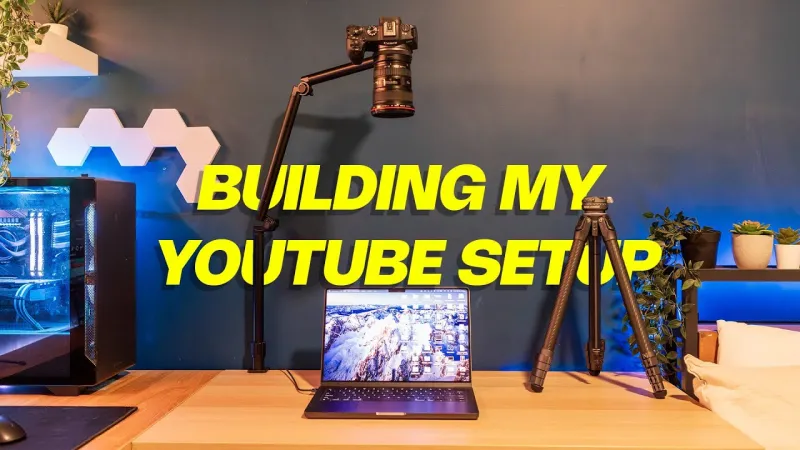
Photo: YouTuber recording product review with affiliate links laptop setup, via i.ytimg.com
Here's a scenario that plays out millions of times a day across America. You're watching a YouTube video — maybe it's a laptop review, a skincare breakdown, a home gym setup guide — and the creator says something like, "I've been using this for months and honestly, it's the best option out there." You trust them. You click the link in the description. You buy.
What you probably don't know is that the creator may have chosen that product not because it's the best, but because it pays the best. And there's a whole system designed to make sure you never think to ask the question.
How Affiliate Marketing Actually Works (The Unsexy Version)
Affiliate marketing is legitimate. Let's be clear about that upfront. Creators deserve to earn money for the traffic and sales they drive. The FTC requires disclosure, and most creators technically comply — that boilerplate "this video contains affiliate links" in the description box counts as disclosure, legally speaking.
But "technically compliant" and "fully transparent" are very different things.
Here's the basic mechanic: a creator signs up for an affiliate program, gets a unique tracking link, and earns a commission every time someone clicks through and buys. Commissions vary wildly. Amazon Associates, the most common program, pays somewhere between 1% and 10% depending on category. But direct brand affiliate programs? Those can go 20%, 30%, even 50% on digital products.
Now imagine you're a creator choosing between reviewing two VPN services. One pays 15% commission. The other pays 40% recurring commission — meaning every month the viewer keeps their subscription, you get paid again. Which one gets the enthusiastic five-minute segment? Which one gets a passing mention?
You already know the answer.
The Niches Where This Gets the Shadiest
Not all YouTube categories are equally compromised. Some niches have affiliate economics so skewed that the content itself has basically become a vehicle for commission farming.
Personal finance and investing. This is arguably the worst offender. Credit card review channels, brokerage comparisons, and budgeting app breakdowns are almost entirely driven by affiliate deals. Some credit card affiliate payouts run $200–$400 per approved application. When a creator is enthusiastic about a card with a mediocre rewards structure but a fat affiliate payout, that enthusiasm has a price tag attached.
Software and SaaS tools. "Best tools for content creators" videos are a goldmine for creators — and a minefield for viewers. Software companies routinely offer 30–50% recurring commissions. A creator with 100,000 subscribers recommending a $50/month project management tool they'd never actually use is potentially earning thousands per month in passive commissions from that single video.
Supplements and fitness. Commission rates on supplements are often in the 20–30% range, and the products themselves are frequently unproven. The overlap between "things that pay well to promote" and "things that actually work" is smaller than most fitness YouTubers would like you to believe.
Web hosting. Possibly the most egregious example in the entire ecosystem. Web hosting affiliate programs pay anywhere from $65 to $200+ per signup. That's why every "how to start a blog" video on YouTube recommends the same three or four hosts — not because they're genuinely the best, but because they pay the most reliably.
The Algorithmic Layer Nobody Talks About
Here's where it gets more complicated. It's not just about which products pay the most. It's also about which products convert the best — meaning, which affiliate links actually get clicked and purchased.
Over time, creators learn which recommendations their audience responds to. They optimize. They move high-commission, high-converting links higher in the description. They mention certain products verbally rather than just in text, because verbal mentions drive more clicks. They A/B test their CTAs.
This isn't necessarily malicious. It's just business optimization. But the end result is a recommendation ecosystem that's been quietly engineered around revenue metrics rather than product quality.
How to Actually Spot Inflated Recommendations
The good news: once you know what to look for, the patterns become obvious.
Check the description box hierarchy. Affiliate links for the most-promoted products almost always appear first. If a creator is genuinely recommending something without financial incentive, it tends to get buried.
Look for the "I've been using this for years" tell. This phrase shows up constantly in affiliate-heavy content. It's designed to signal authenticity. Sometimes it's true. Often it's not — especially when the product being recommended launched 18 months ago.
Search for the product plus "affiliate commission rate." Many brands publish their commission structures publicly. If a creator is raving about something that pays 40% commission, that context matters.
Compare across multiple creators in the same niche. If five different tech YouTubers all recommend the same obscure software tool with similar levels of enthusiasm, that's not organic consensus. That's a well-run affiliate program.
Use price comparison tools anyway. Browser extensions like Honey, Capital One Shopping, or CamelCamelCamel (for Amazon) will often surface better deals than whatever the creator linked. The affiliate link might lead to a product that's $20 cheaper on a competing retailer — but the creator only has a deal with one of them.
The Creators Who Are Actually Doing It Right
To be fair, not every creator is playing the commission maximization game. Some channels — particularly in the tech space — have built entire brand identities around refusing certain affiliate deals or being explicit about commission structures.
Some creators publish their full affiliate disclosure, including the commission rates they earn. Some explicitly note when they're recommending something they don't have an affiliate deal for, which gives their paid recommendations more credibility by contrast. A few have moved to audience-supported models (Patreon, memberships) specifically to reduce their dependence on affiliate income and the conflicts it creates.
Those creators exist. They're worth finding. They're also, not coincidentally, usually the ones whose recommendations actually hold up over time.
The Bottom Line for Smart Viewers
Affiliate marketing isn't going anywhere. It funds a huge chunk of the free content Americans consume every day, and that's not inherently bad. But treating every creator recommendation as an unbiased consumer report is genuinely naive in 2024.
The move is simple: stay curious, cross-reference everything, and remember that the most enthusiastically promoted product isn't always the best one. Sometimes it's just the most profitable one to promote.
At LegendAff, we believe in bold deals — but only the ones that actually deliver value to you, not just to the person sending you the link. Know the difference.